Autonomous Chess Piece.

A self-navigating chess piece with onboard drive, Bluetooth, and AI move generation — designed to give elderly users a physical opponent that never needs to leave the house.

CATIA V5Embedded Systems Path PlanningArduino Computer VisionSSN College · IFSP
Team
Krishnaa Sudhir Gauri Jayakrishnan Nair Kiruthika Vajjiravelu Madhumitha Chandrasekaran
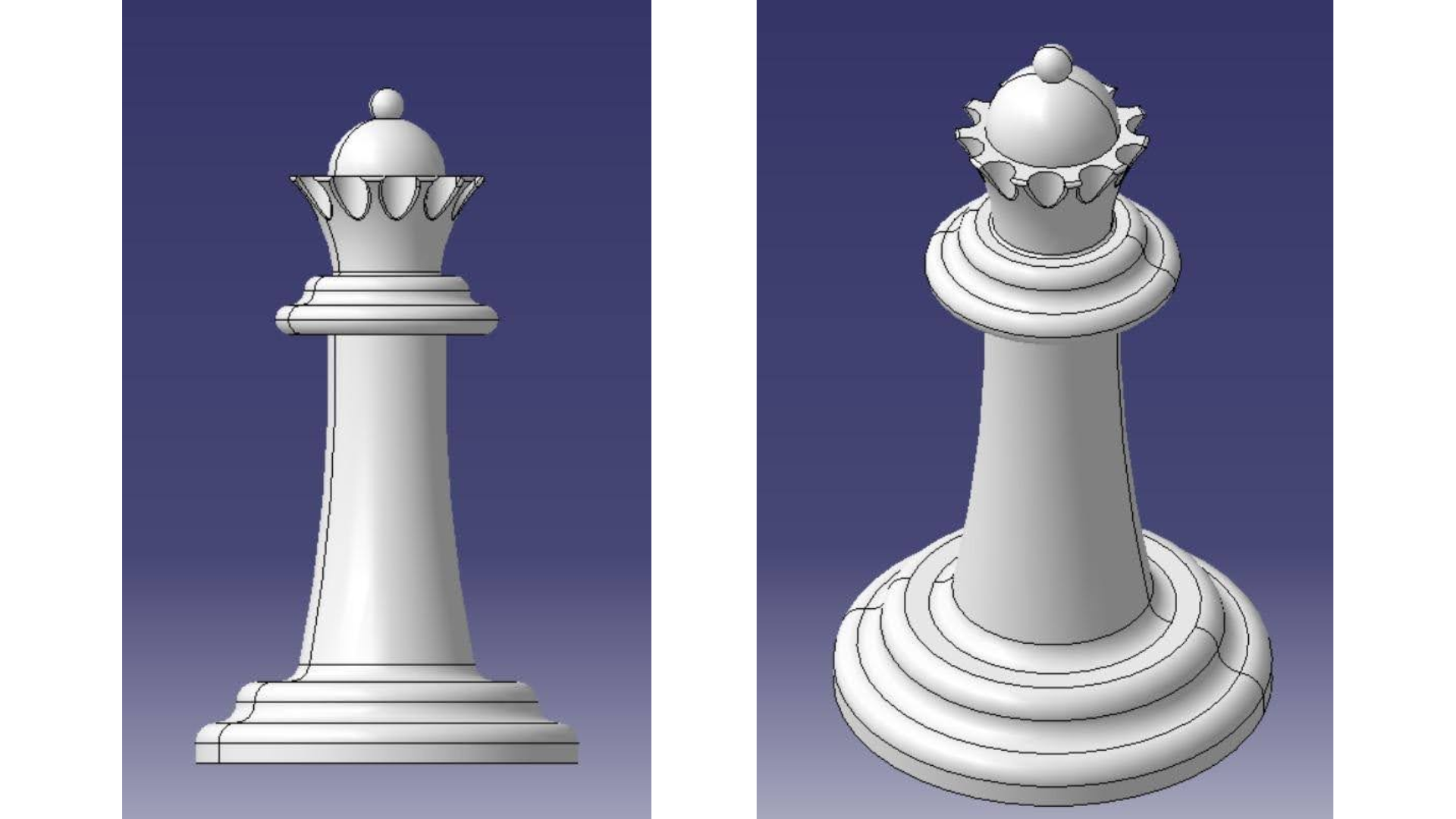
Autonomous chess piece
The Problem

Chess is better with someone.

Chess provides real cognitive benefits — especially for elderly users who benefit from strategy and mental stimulation. But it requires a human opponent, and for many older adults, that's not always possible. Digital chess exists, but loses the physical appeal of a real board.

The Solution

A piece that plays itself.

A Raspberry Pi camera reads the board state after each human move, converts it to FEN notation, and feeds it to the Stockfish engine to determine the optimal response. The selected piece then drives autonomously to its target square via two DC motors, an Arduino Nano, and Bluetooth communication.

My Role

What I built.

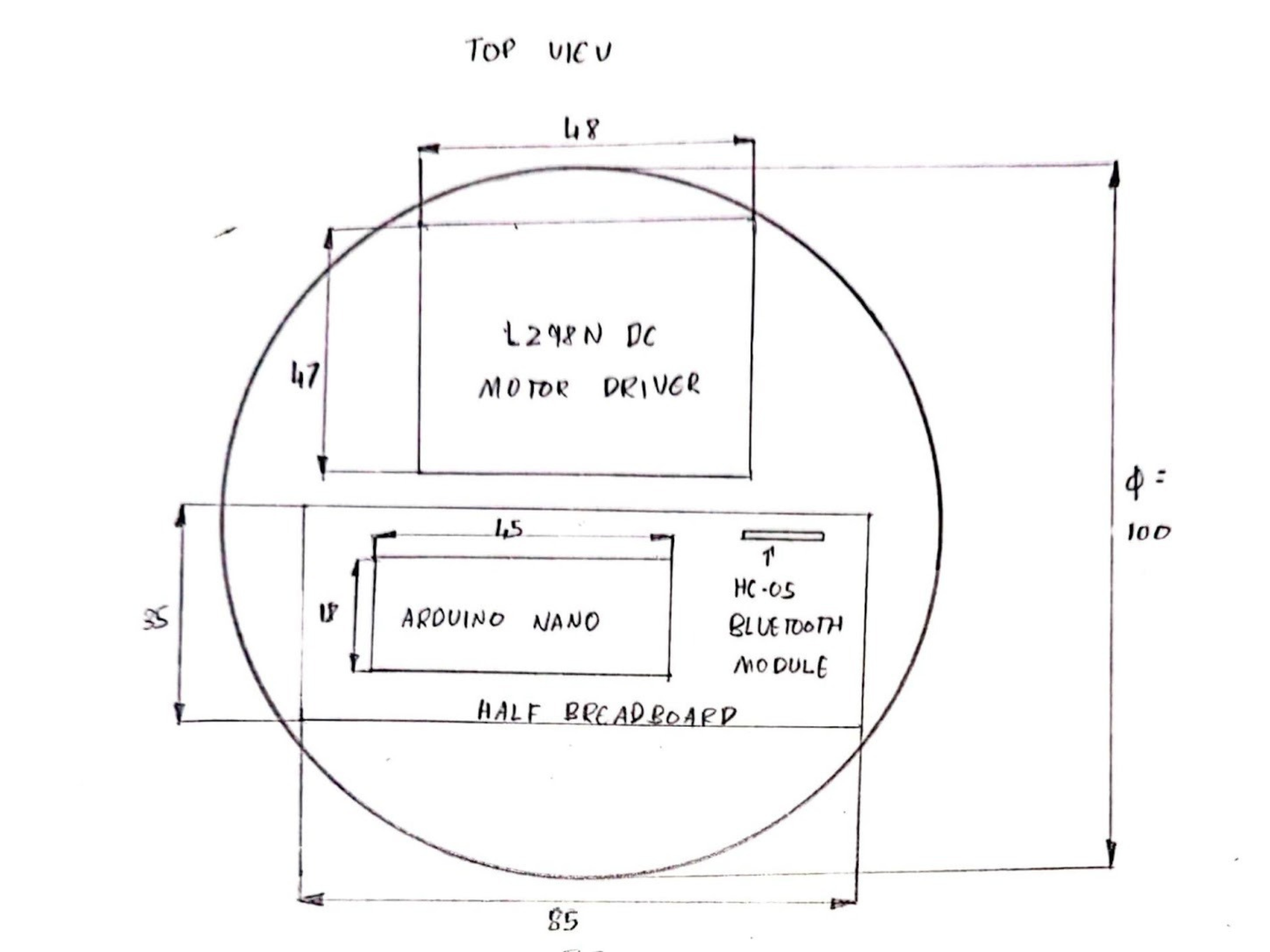
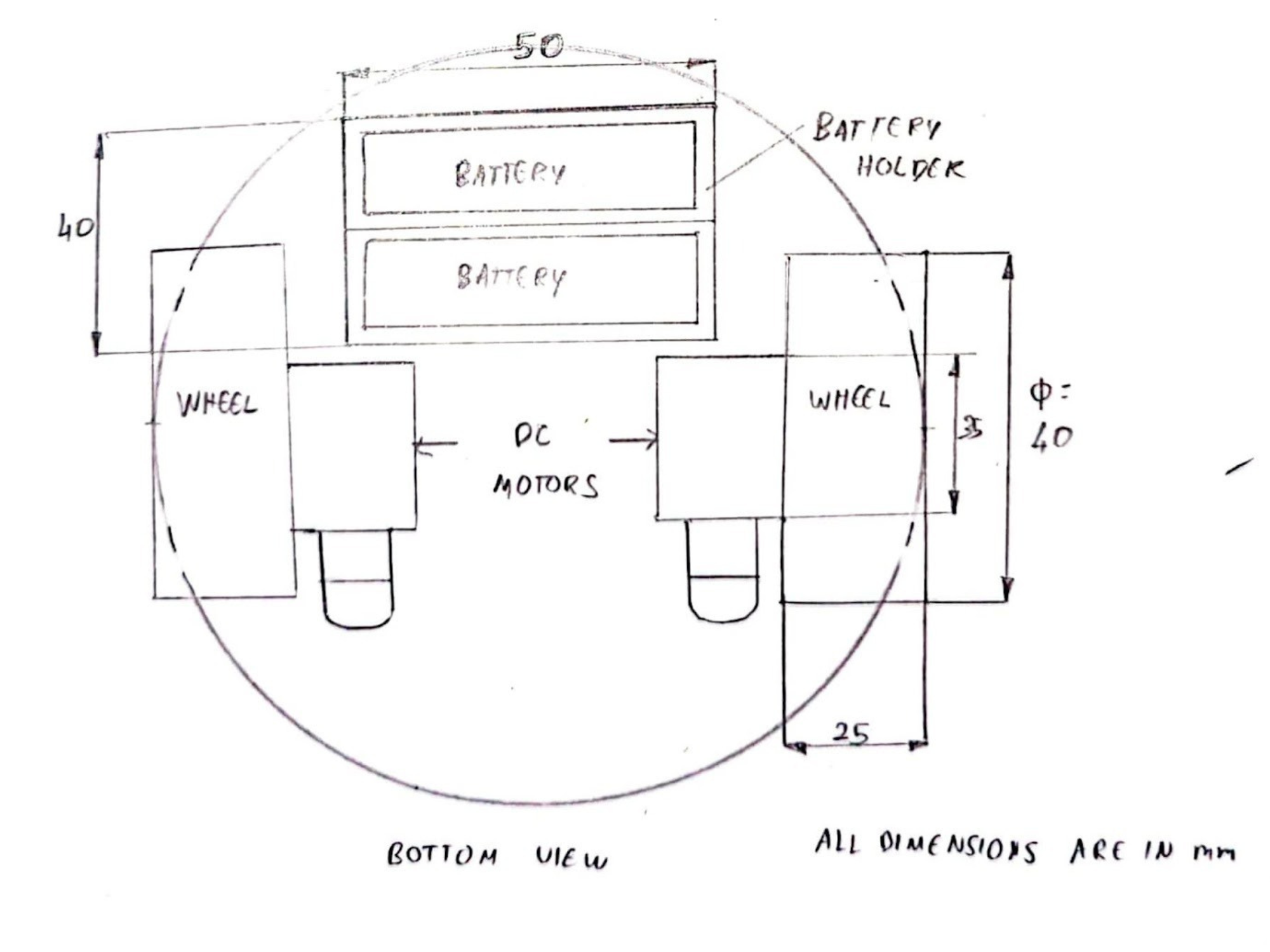
I designed the physical chess piece in CATIA V5 — working out how to fit the motors, motor driver, Arduino Nano, Bluetooth module, batteries, and breadboard inside a piece that still reads as a chess queen from across the board.

I also developed the path planning algorithm — the logic that converts a Stockfish move notation (e.g. D4 to E5) into timed motor commands. Given the fixed grid geometry and calibrated uniform motor speed, this meant calculating precise timings for forward/reverse and left/right turns to navigate cleanly between squares without drift.

On the electronics side, I designed the internal component layout and worked on the Bluetooth communication link between the Raspberry Pi controller and the Arduino onboard the piece.

CATIA V5 · piece design Path planning algorithm Arduino Nano DC motor control HC-05 Bluetooth L298N motor driver Internal electronics layout
My contributions
  • Designed the full 3D chess piece in CATIA V5 — engineered to house all electronics internally within a recognisable chess queen form
  • Developed the path planning and movement algorithm — translating board coordinates into calibrated motor timing sequences
  • Designed the internal component layout within the piece, including battery, motor driver, and Arduino placement
  • Worked on Bluetooth communication between the Raspberry Pi main controller and the onboard Arduino Nano
  • Validated autonomous movement of the piece across the physical chessboard prototype
System Overview

Three systems, one game.

01
Vision System
Raspberry Pi Camera + OpenCV segments the board into 64 squares after each human move, identifies pieces by shape and colour, and converts the state to FEN notation for the chess engine.
02
AI Engine
Stockfish evaluates the board using minimax search with alpha-beta pruning, selects the optimal move, and sends source and target square coordinates to the path planning controller.
03
Autonomous Movement
The piece receives its destination over Bluetooth. The path planning algorithm converts grid coordinates into motor timing commands. Two DC motors drive two wheels to navigate to the target square.
Prototype

Design & component layout.

Top view of the chess piece base

Top view of the chess piece base

Bottom view of the chess piece base

Bottom view of the chess piece base

Get in touch

Let's collaborate.

Connect on LinkedIn →
← PreviousRockabye Inflatable Blanket Next →Solar Dryer